I'm not a designer by any stretch of the imagination, so the lack of selection doesn't really bother me. I'm not trying to match colors so they coordinate in a pleasing manner. I'm just trying to fill the space with some nice plants. For example, I have some chartreuse hostas across a path from some orange butterfly weed. Each are nice in their own ways, but they were not nice together. It rather hurt the eyes. I suppose I'll have to move one group eventually.
Out with the ugly, in with the lovely. Pictures are not mine because 1) I'm not that great a photographer and 2) most of this stuff is not in bloom. In fact at least three things are just bare sticks sticking out of the pot.
In went a grass called little bluestem (Schizachyrium scoparium) a native plant

2 purple and 1 yellow baptisia (Baptisia australis and sphaerocarpa) also native


steeplebush (Spirea tomentosa) native, attracts butterflies and hummingbirds

mountain laurel 'Bullseye' (Kalmia latifolia) another native

St. John's wort 'Brigadoon', not native, but with pretty leaves. Hopefully this cultivar is not as aggressive as the species. It's planted on a shady hillside, so hopefully that will help curb its enthusiasm.
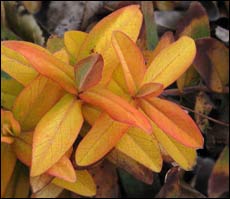
bush honeysuckle, a native

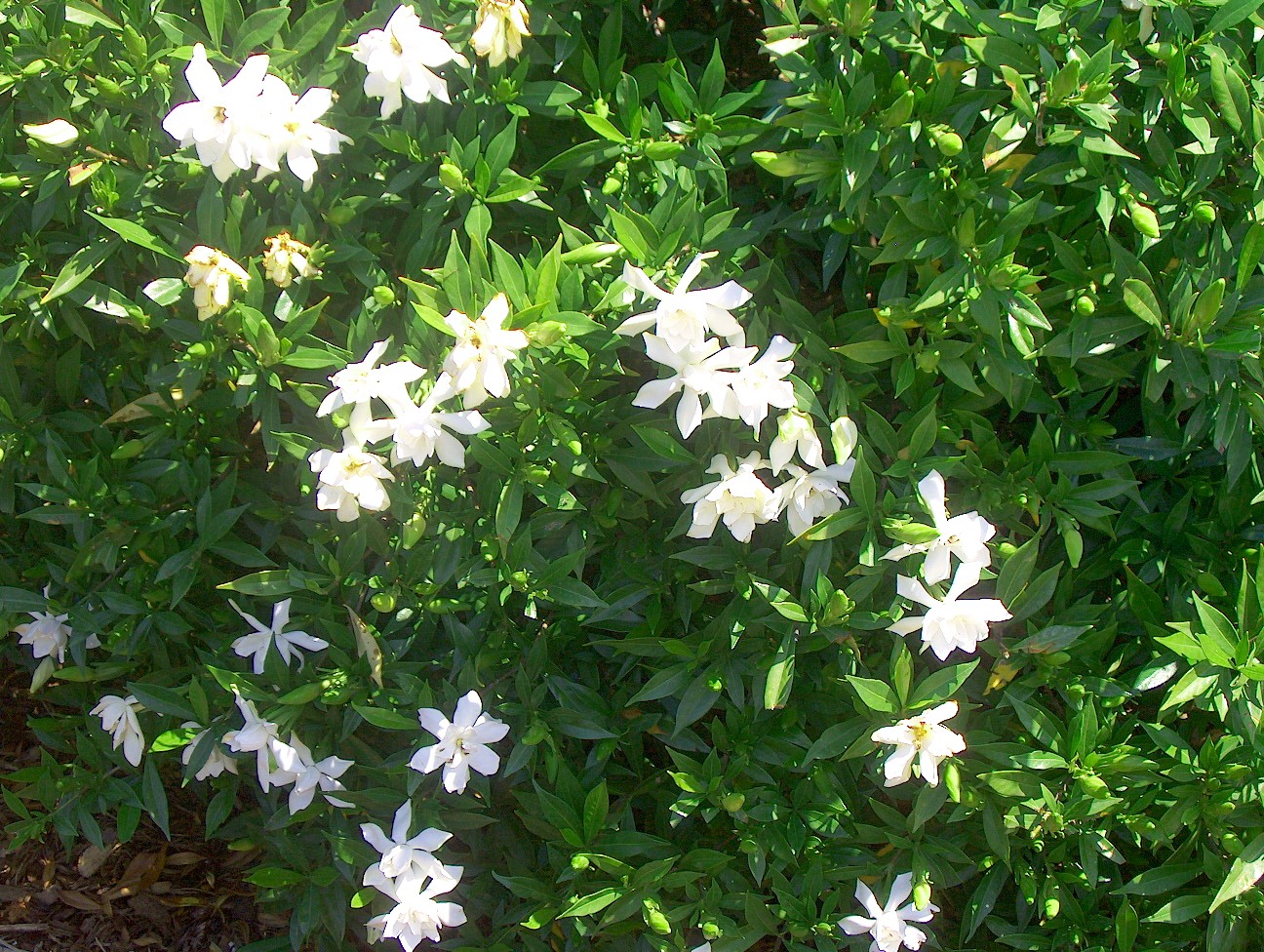
gardenia, not native, but is supposed to smell heavenly. Is marginally hardy here, so hopefully it will make it through the winter.
Solomon's seal, native

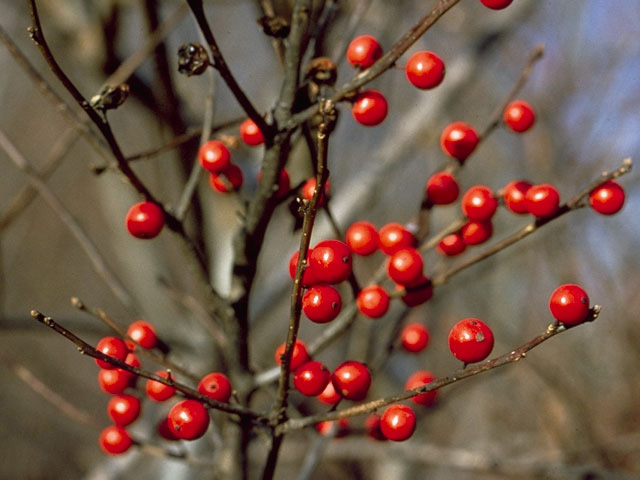
winterberry holly, native, birds eat the berries


No comments:
Post a Comment